 AliviaQ
Online Psychiatry Consultation: What It Can and Can't Treat
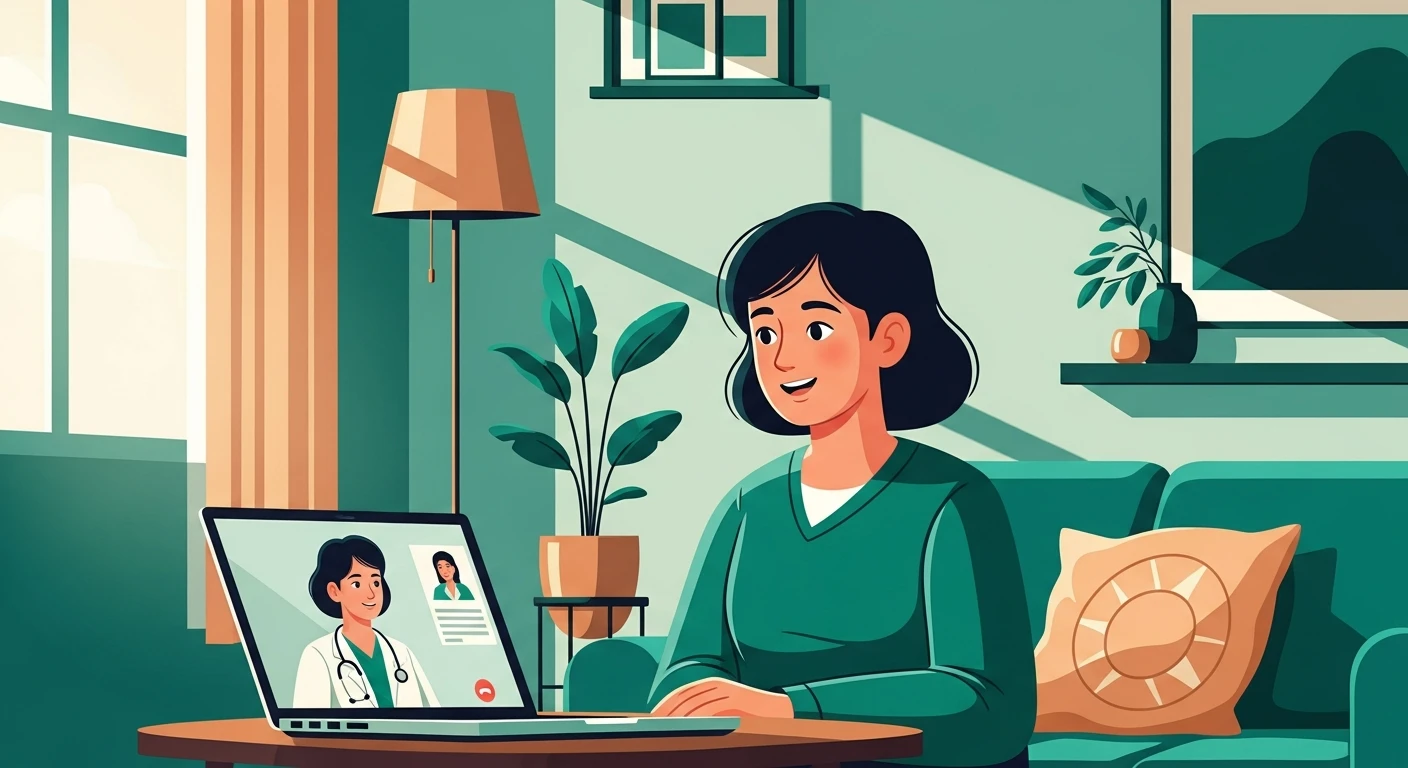
Anxiety, depression, insomnia or stress: learn what an online psychiatrist can handle by video call and when you need in-person care.
Mental health can't wait months for an appointment. If you're looking for an online psychiatry consultation, the short answer is yes: today you can speak with a psychiatrist by video call, get a diagnosis, a treatment plan and, when appropriate, a prescription, all without leaving home. But like any medical tool, online psychiatry handles some things very well and has clear limits worth knowing before you start.
What an online psychiatry consultation is (and isn't)
A psychiatrist is a medical doctor who specializes in mental health and can diagnose disorders, prescribe and adjust medication, and coordinate your treatment. This is different from a psychologist, who provides therapy (psychotherapy) but does not prescribe drugs. Many people need both, and telemedicine makes it possible to reach each of them from the same platform.
An online consultation takes place over a secure video call. The psychiatrist interviews you, reviews your history, symptoms and background, and proposes a plan from there. The available evidence is consistent: for most common mental health conditions, video care delivers results comparable to in-person visits in terms of satisfaction and treatment adherence.
Psychiatrist or psychologist? How to know who to see
This is one of the most common questions, and the rule of thumb is simple. If what you're looking for is to talk, understand what's happening to you and work on your emotions or behavior with therapy tools, the starting point is usually the psychologist. If your symptoms are intense, interfere a lot with your life, or you think you might need medication, it's better to start with the psychiatrist, who is a medical doctor and can prescribe.
In practice it isn't an either-or choice: in many cases the best outcome combines medication prescribed by the psychiatrist with psychotherapy provided by the psychologist. If you're unsure where to begin, a first video call is there precisely to guide you and refer you to the right professional.
What online psychiatry handles well
Remote psychiatric care works especially well for the most common concerns:
- Anxiety and anxiety disorders, including panic attacks.
- Depression that is mild, moderate, or being followed up.
- Insomnia and other sleep problems with an emotional cause.
- Chronic stress and burnout, increasingly common today.
- Medication follow-up and adjustment for people with an established diagnosis.
- Prescription renewals for stable psychiatric treatments.
- Obsessive-compulsive disorder (OCD) and phobias, alongside therapy.
For follow-up, telemedicine is nearly ideal: it avoids travel, saves time, and makes it easier to stay consistent, which is essential in mental health, where dropping out of treatment is one of the biggest risks.
The limits: when in-person or emergency care is needed
An online consultation does not replace emergency services. Seek immediate in-person help or call emergency services if any of these situations appear:
- Thoughts of suicide or self-harm, or of harming others.
- A psychotic episode (seeing or hearing things others don't, delusional beliefs).
- Acute mania or a sudden, dangerous change in behavior.
- Severe intoxication from alcohol or other substances.
In addition, some conditions require an in-person evaluation, at least at first: certain severe and persistent disorders, the need for blood tests to monitor specific medications, or situations where a physical cause must be ruled out through examination. A good online psychiatrist will tell you this clearly and refer you when necessary.
How it works, step by step
- Book your appointment by choosing an available day and time.
- Complete a short questionnaire about your symptoms, history and current medication. The more information you share, the better.
- Join the video call from your phone or computer, in a private, quiet place.
- Talk with the psychiatrist, who assesses your situation, answers your questions and proposes a plan.
- Receive your treatment plan and, if appropriate, your prescription and follow-up instructions.
How to prepare to get the most out of it
Good preparation greatly improves the outcome:
- Note when your symptoms started, how often they happen and how they affect your daily life.
- Have your medication list ready, with doses.
- Write down your medical and psychiatric history, and your family's if you know it.
- Prepare your questions so you don't forget them.
- Find a private space with no interruptions and a good connection.
Warning signs you shouldn't ignore
Even if you're being followed online, go to an emergency service or call a crisis line if you have thoughts of suicide, if you feel you're losing touch with reality, or if your condition worsens quickly and sharply. Online psychiatry is a great entry point and a great tool for follow-up, but crises are handled in person.
Is it as good as an in-person visit?
For most common reasons to seek care, yes. Studies consistently show that the patient-psychiatrist relationship, diagnostic accuracy and treatment outcomes are comparable over video. What changes is access: telemedicine removes barriers of distance, time and stigma, which is especially valuable for those who live far from a specialist or struggle to take the first step.
Bottom line
Online psychiatry consultations handle anxiety, depression, insomnia, stress and treatment follow-up very well, with a convenience that makes it easier not to drop out. Their limits are emergencies, psychotic episodes and cases that require tests or an in-person evaluation. If you've been putting off asking for help, starting with a video call may be the easiest, and most important, step.
On Aliviaq you can connect with real doctors by video call, simply and with your privacy protected. Taking the first step for your mental health has never been this accessible.
Medicina General with extensive experience in telemedicine. Regular contributor to the AliviaQ health blog, committed to rigorous and accessible medical communication.