 AliviaQ
Online Endocrinology Consultation: What It Can and Can't Solve
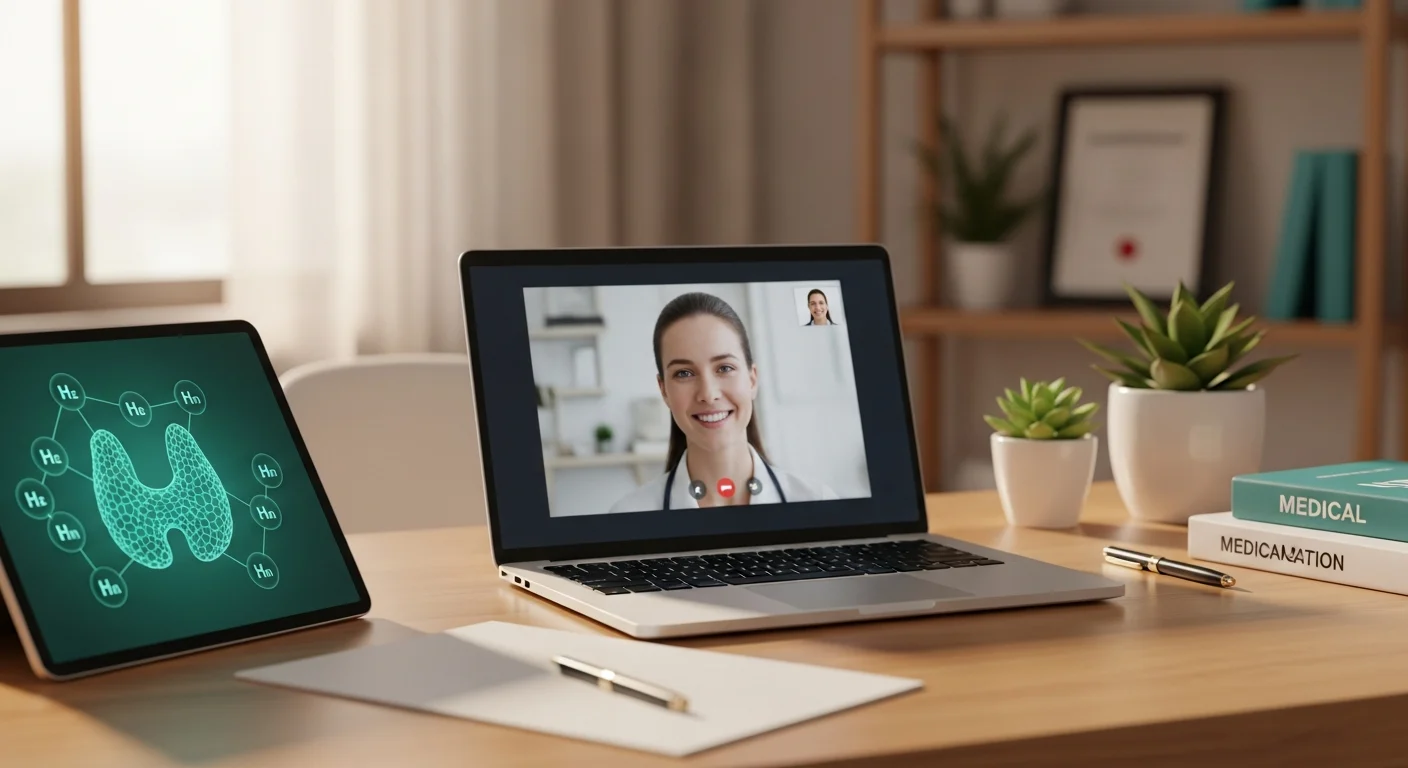
What an online endocrinologist can solve (thyroid, diabetes, hormones), when you need an in-person visit, and how to prepare for your video appointment.
An online endocrinology consultation can handle most of the follow-up care for conditions like hypothyroidism, diabetes, and hormonal disorders, because these are managed mainly through blood tests, symptom review, and medication adjustments, all of which an endocrinologist can do perfectly well over video. What truly needs a hands-on physical exam or an ultrasound still calls for an in-person visit. This guide explains clearly what an online endocrinologist can solve, when you should be seen in person, and how to prepare so you get the most from your appointment.
What an endocrinologist treats
An endocrinologist is the doctor who specializes in hormones and the glands that produce them: the thyroid, pancreas, adrenal glands, pituitary, and the ovaries or testes. Many very common conditions fall under this specialty, and most are chronic, diagnosed once and then managed for years.
The most frequent reasons for a visit include:
- Thyroid conditions: hypothyroidism, hyperthyroidism, and follow-up of already-studied nodules.
- Diabetes and prediabetes: treatment adjustment, glucose control, and prevention of complications.
- Insulin resistance and polycystic ovary syndrome (PCOS).
- Cholesterol and metabolic disorders.
- Hormonal problems: menopause, low testosterone, high prolactin.
- Osteoporosis and bone health.
- Obesity and overweight from a metabolic standpoint.
What an online endocrinology consultation actually solves
Much of an endocrinologist's work is interpreting lab results and talking with the patient, two things that work just as well over video. An online visit is especially useful to:
- Review your blood tests. Thyroid panel (TSH, free T4), glucose, glycated hemoglobin (HbA1c), cholesterol, or hormone levels. The doctor interprets them and explains what they mean.
- Adjust your medication. Changing a levothyroxine dose for hypothyroidism or fine-tuning diabetes treatment is done by reviewing results and symptoms, with no need to physically examine you.
- Follow up on stable chronic conditions. If you already have a diagnosis and only need periodic check-ins, telemedicine saves you the trip.
- Answer questions about symptoms. Fatigue, weight changes, hair loss, excessive thirst, or menstrual irregularities can be assessed in a first consultation.
- Order and interpret tests. The doctor can tell you which labs to get and review them with you at the next appointment.
- Guide habits and education. Nutrition, physical activity, and treatment adherence are central to almost every endocrine condition.
When you need an in-person visit
Telemedicine has clear limits, and a good endocrinologist will tell you when you need to be seen in person. You should go in when:
- A direct physical exam is needed, such as palpating the thyroid or assessing a goiter.
- A thyroid nodule is suspected or needs an ultrasound or needle biopsy.
- You require imaging (ultrasound, bone densitometry) or a biopsy.
- There is an acute decompensation, such as very high glucose with vomiting or confusion, which is an emergency.
The usual approach is a hybrid model: online visits for initial assessment, lab review, and follow-up, with an occasional in-person visit only when an exam or test is required.
How an online endocrinology consultation works
The process is simple and convenient:
- Book your video appointment at a time that suits you.
- Share your information: recent labs, medication list, and medical history. Having these ready matters most.
- Talk with the specialist, who reviews your results, weighs your symptoms, and explains the plan.
- Get your treatment and recommendations, including an electronic prescription if you need one.
- Schedule your follow-up with the next labs and the date of your next check-in.
How to prepare and get the most out of it
To make the consultation effective, arrive prepared:
- Have your most recent lab results ready as a PDF or a legible photo.
- Write down your full medication list and doses.
- Note your main symptoms, how long you've had them, and how they've changed.
- Track useful data: current weight, blood pressure, and, if you're diabetic, your glucose readings.
- Prepare your questions so you don't forget anything.
Warning signs you should not handle online
Some symptoms need immediate care, not a scheduled video visit. Seek emergency help if you have:
- Very high glucose with vomiting, rapid breathing, or confusion (possible ketoacidosis).
- Severe hypoglycemia: sweating, shaking, and loss of consciousness.
- Intense palpitations, fever, and extreme agitation in someone with a thyroid disorder.
- Sudden weakness, severe abdominal pain, or fainting.
Is it as good as an in-person visit?
For the follow-up of chronic endocrine conditions, studies consistently show that telemedicine achieves control just as good as in-person care, with the added benefit of better adherence and fewer missed appointments. The key is the hybrid model: solve online everything that can be, and reserve the physical visit for what truly needs it. An experienced endocrinologist knows exactly how to tell the two apart.
The bottom line
An online endocrinology consultation is a safe, effective way to manage your thyroid, diabetes, and hormonal problems, especially once the diagnosis is made and what you need is lab review and treatment adjustment. Recognizing its limits is part of good care. At Aliviaq you can talk with a real doctor over video, review your results, and get a clear plan without leaving home. When a test or an in-person exam is needed, we'll tell you transparently.
Medicina General with extensive experience in telemedicine. Regular contributor to the AliviaQ health blog, committed to rigorous and accessible medical communication.