 AliviaQ
Fever in Children: When to Treat at Home and When to Seek Help
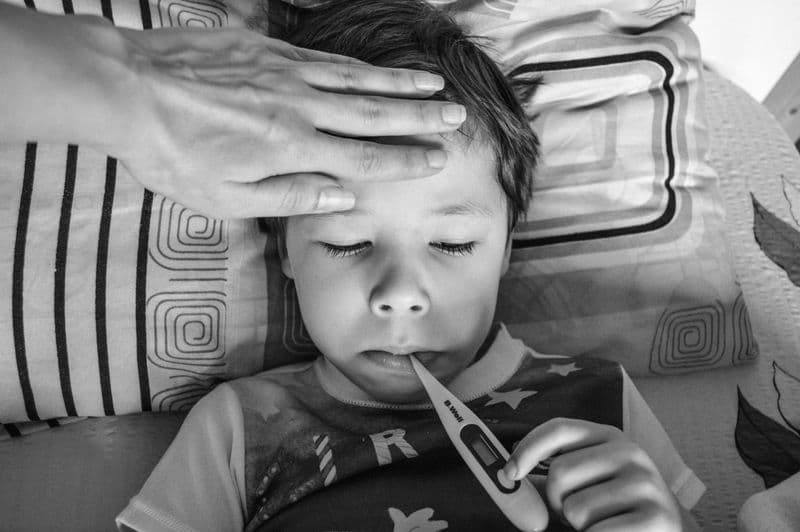
Fever is one of the most common reasons parents call a doctor. A paediatrician explains what the temperature actually tells you — and what it doesn't.
What fever actually is
Fever is not a disease — it's an immune response. When the body detects an infection, it raises its temperature to create an environment less hospitable to pathogens and to activate immune cells. In most cases, fever is doing exactly what it should.
Normal body temperature ranges from 36.5°C to 37.5°C (97.7°F to 99.5°F). A temperature above 38°C (100.4°F) is considered fever.
Age-specific guidance
Under 3 months Any fever (38°C/100.4°F or above) requires immediate medical attention. At this age, the immune system is immature and even low-grade fever can signal serious infection. Do not wait to see if it resolves.
3 months to 3 years - 38°C–39°C: Monitor at home. Ensure the child is drinking fluids, comfortable and responsive. - Above 39°C: Consider paracetamol/ibuprofen (age-appropriate dose) and monitor closely. - Fever lasting more than 3 days: Consult a doctor.
Over 3 years Children at this age tolerate fever better. Focus on how the child behaves rather than the number on the thermometer.
When to seek immediate medical care
Regardless of age or temperature, go to emergency immediately if:
- Difficulty breathing or rapid breathing
- Stiff neck or sensitivity to light
- Severe headache that won't resolve
- Purple/red rash that doesn't fade when pressed (possible meningococcal)
- Seizure (febrile convulsion)
- Child is very difficult to wake, limp or extremely pale
- Fever in a child who is immunocompromised
When to consult a doctor (not emergency)
- Child under 2 with fever above 39°C
- Fever lasting more than 3–5 days
- Temperature above 40°C in any child
- Child seems unusually unwell beyond what the fever would explain
- You're concerned — parental instinct matters
Treating fever at home
Medication: Paracetamol (acetaminophen) or ibuprofen (not for under 3 months) in age-appropriate doses, given to make the child comfortable — not necessarily to normalise the temperature.
Do not use aspirin in children under 16 (risk of Reye's syndrome).
Fluids: Prioritise keeping the child hydrated. Small, frequent sips if they won't drink much.
Comfort: Light clothing, cool (not cold) room. Avoid bundling them up.
Tepid sponging: Only if child is very uncomfortable and medication isn't controlling the fever well.
The thermometer
Rectal measurement is most accurate in young children. Ear and armpit thermometers can underread by 0.5–1°C. Note the method and adjust accordingly.
A quick consultation with one of our paediatricians can give you peace of mind and clear guidance — available any day of the week.
General Practitioner with extensive experience in telemedicine. Regular contributor to the AliviaQ health blog, committed to rigorous and accessible medical communication.